
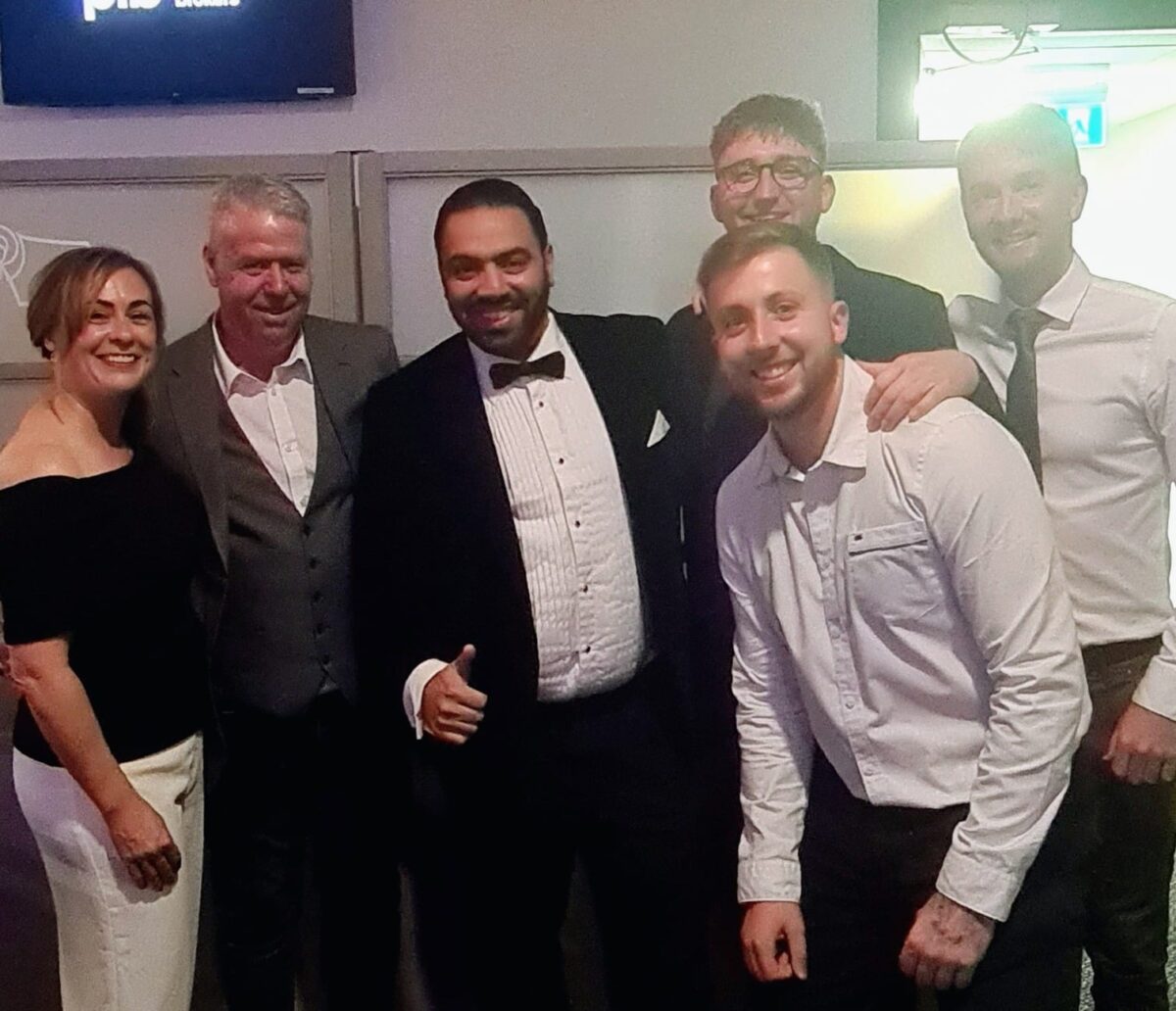




A Nostalgic Journey Through the Taxi Industry

⏰Read Time: 3 minutes
I had a truly special moment recently that took me back more than two decades. While riding in a taxi, I struck up a conversation with the driver—someone I had worked with 26 years ago when I first entered the taxi industry as a 14-year-old teenager. It was one of those moments that made me realise just how far we’ve come.
As we chatted, the driver unearthed a true relic from our early days—the Derby City Street to Street Guide. For those of you who remember, this guide was the essential tool for drivers before the days of Google Maps, satnavs, and smartphone navigation. It was a book that helped us navigate the streets and find addresses, and, let me tell you, it was nothing short of a lifeline.

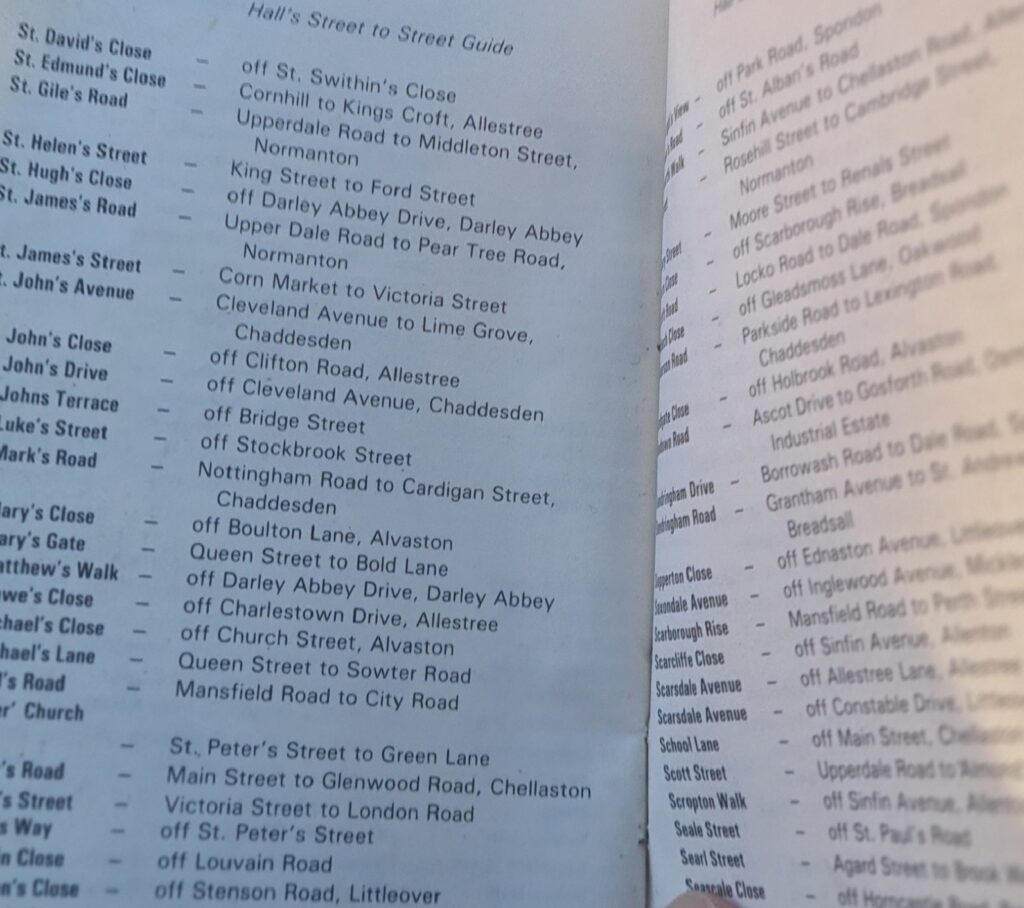
What made this moment even more magical was that the edition he had was from 1984, a vintage gem from an era when we had to rely on printed maps. I was amazed at how this guide had been a critical part of our daily work, long before GPS systems became the norm. Did you know the first edition of this iconic guide was actually published back in 1970? That’s some real taxi history!
As we flipped through the pages, we shared stories and laughs about the good old days. It made me reflect on how much the taxi world has changed since then. What was once reliant on physical maps is now driven by real-time navigation, constantly evolving technology, and even electric vehicles.
This journey down memory lane made me realise how important adaptability is in any industry, but especially in ours. The shift from paper maps to digital maps, from manual dispatch to app-based ride-hailing, has been a testament to how embracing change leads to better service, improved efficiency, and a better experience for both drivers and passengers.
Looking ahead, it’s exciting to think about how new technologies will continue to shape the future of the taxi industry. From AI to electric vehicles and beyond, there’s so much potential for creating a smarter, more sustainable, and customer-focused service. Innovation is at the heart of this transformation, and I’m excited to be part of the industry’s next chapter.
And as I reflect on all this nostalgia, I couldn’t help but notice a few white hairs starting to make an appearance. Guess I’m turning vintage too!