





The Rise and Fall of Napoleon: Lessons from a Life of Ambition and Contradiction
⏰ Read time: 4 minutes
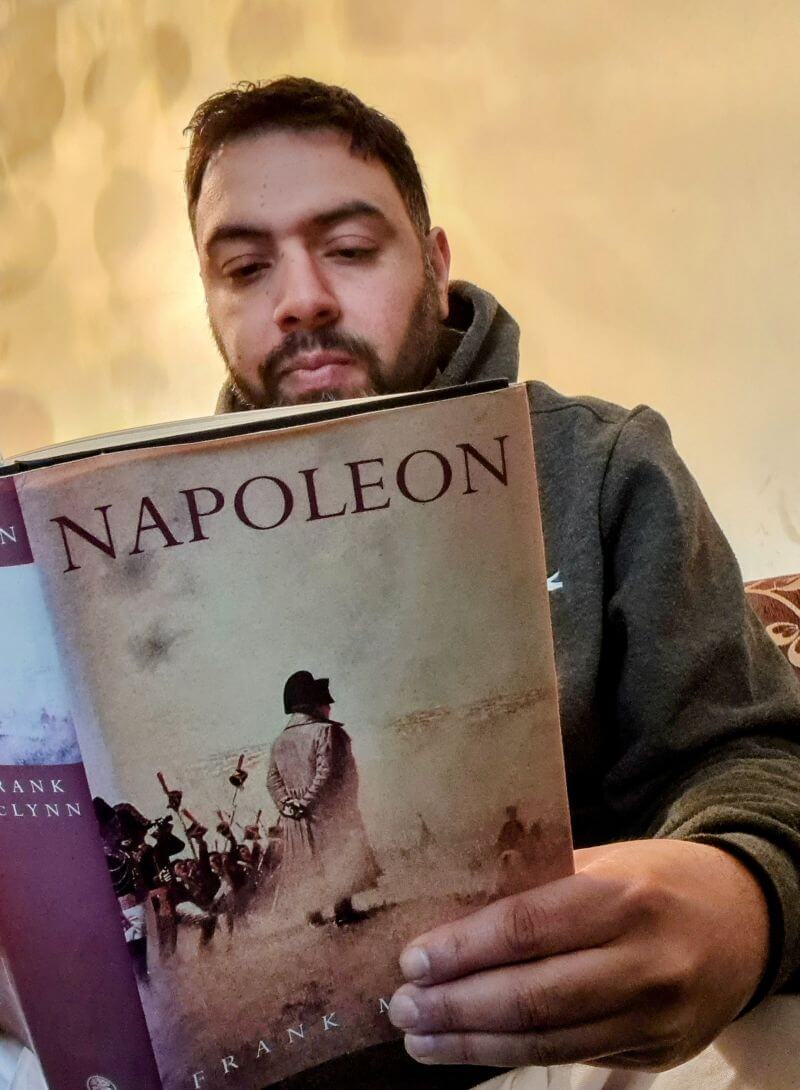
I’ve just finished reading Napoleon: A Biography by Frank McLynn, and I must say, it has been an enlightening journey through the life of one of history’s most complex and influential figures. From his humble beginnings on the small island of Corsica to his rise as Emperor of France, Napoleon Bonaparte’s life is a tale of ambition, military genius, political strategy, and ultimate downfall.
What struck me most about McLynn’s account was how it carefully traces Napoleon’s roots, offering a deep dive into his early years and the impact of the French Revolution on his rise to power. The biography also gives a comprehensive look at Napoleon’s military victories, his 1804 coronation, and the dramatic fall from grace that led to his eventual defeat and imprisonment.
But beyond the events and the timeline, what truly fascinated me was the exploration of what made Napoleon tick—the motivation behind his actions. McLynn does an excellent job of delving into Napoleon’s psyche, trying to make sense of his drive, determination, and, at times, his ruthlessness.
🌱 The Roots of Napoleon’s Ambition
Napoleon wasn’t born into wealth or privilege. He came from a modest Corsican family, yet from a young age, he was deeply influenced by the tumultuous times in which he lived. The French Revolution, which swept through Europe with its ideals of liberty, equality, and fraternity, played a pivotal role in shaping Napoleon’s worldview and ultimately propelling him into the military and political spheres. It’s remarkable to see how his rise was, in part, a product of the revolution’s chaos, as he was able to capitalise on the power vacuum and instability in France.
Understanding Napoleon’s early years gives a greater appreciation of the motivations that led to his remarkable journey. He wasn’t simply driven by a desire for power—there was a deep-rooted need for recognition and respect. Growing up in a world where his family was on the fringes of the French aristocracy, Napoleon sought to forge his own identity and prove himself, not only to others but to himself as well. This desire for self-validation fuelled much of his later decisions, both in politics and on the battlefield.
⚔️ Napoleon the Military Genius
Napoleon’s military successes are legendary. His ability to outmanoeuvre his opponents, employ innovative tactics, and inspire his troops has made him one of the greatest military commanders in history. McLynn’s biography does a fantastic job of illustrating how Napoleon’s strategic mind worked, taking us through key battles, such as the Battle of Austerlitz and the invasion of Russia, while examining how his strengths as a leader often helped him achieve the impossible.
However, what makes his military genius even more intriguing is how it tied into his larger ambitions. Napoleon’s victories weren’t just about military conquest for its own sake; they were stepping stones towards his vision of a united Europe under French dominance. The strategy wasn’t just about battlefield triumph—it was about creating an empire that would carry his name through the annals of history.
👑 The 1804 Coronation and the Rise of the Emperor
The biography’s account of Napoleon’s 1804 coronation as Emperor of France is a striking moment in his journey. In many ways, it represents the pinnacle of his success—an unparalleled moment of glory where he officially solidified his control over France and Europe. Yet, McLynn’s analysis also sheds light on the contradictions within Napoleon’s character during this period. While he sought legitimacy through the imperial crown, his autocratic rule and disregard for traditional monarchy customs highlighted the paradoxes that characterised his reign.
It’s easy to view Napoleon as an unstoppable force during this period, but McLynn helps us understand that even at the height of his power, he was constantly grappling with the weight of his own ambition and the challenges of governing an empire. His decision to crown himself, placing the crown on his own head, spoke volumes about his belief in his own supremacy—and also foreshadowed the arrogance that would eventually contribute to his downfall.
🏳️ The Fall: Defeat and Exile
Despite his impressive rise, Napoleon’s reign was not destined for eternal glory. His downfall, particularly after the disastrous Russian campaign of 1812, is a study in overreach. McLynn’s biography does a compelling job of chronicling the gradual erosion of Napoleon’s power, from the failure of his military campaigns to his eventual exile to the remote island of Saint Helena.
What stands out in the biography is the psychological toll Napoleon experienced as he faced defeat. Once the ruler of a vast empire, Napoleon’s forced abdication and isolation in exile must have been an almost unbearable contrast. McLynn offers a nuanced perspective on this phase of his life, showing that Napoleon was, in many ways, a victim of his own ambitions—unable to reconcile the man who had conquered Europe with the man left alone on a distant island.
🎭 A Life of Contradictions
What makes Napoleon such an enduring and fascinating figure is the complexity of his character. He was a brilliant strategist, a ruthless leader, and a man driven by an almost obsessive need to shape the world in his image. Yet, he was also a man who wrestled with his own vulnerabilities, doubts, and contradictions. McLynn’s biography offers an insightful exploration of these complexities, providing a balanced view of a man whose ambition led to both greatness and ruin.
In the end, Napoleon’s story is one of triumph and failure, ambition and humility, genius and hubris. It’s a reminder that the greatest historical figures are often driven by powerful motivations that are not always easy to understand, but which shape the course of history in ways that still resonate today.
As we reflect on Napoleon’s life, his successes, and his ultimate downfall, there’s much we can learn about the nature of ambition, leadership, and the complexities of human character.
Stay curious, keep learning, and let history be your guide to understanding the present and shaping the future.